 SELENE

On May 4, Silver Moon called at Hakodate. The sky was overcast and the pier still wet, but the harbour scenes were sharp all the same: a museum ship, red-brick warehouses, and the big HAKODATE letters, one after another. We spent the morning ashore, had lunch back on board, and sat down to a proper evening meal.
Morning by the harbour
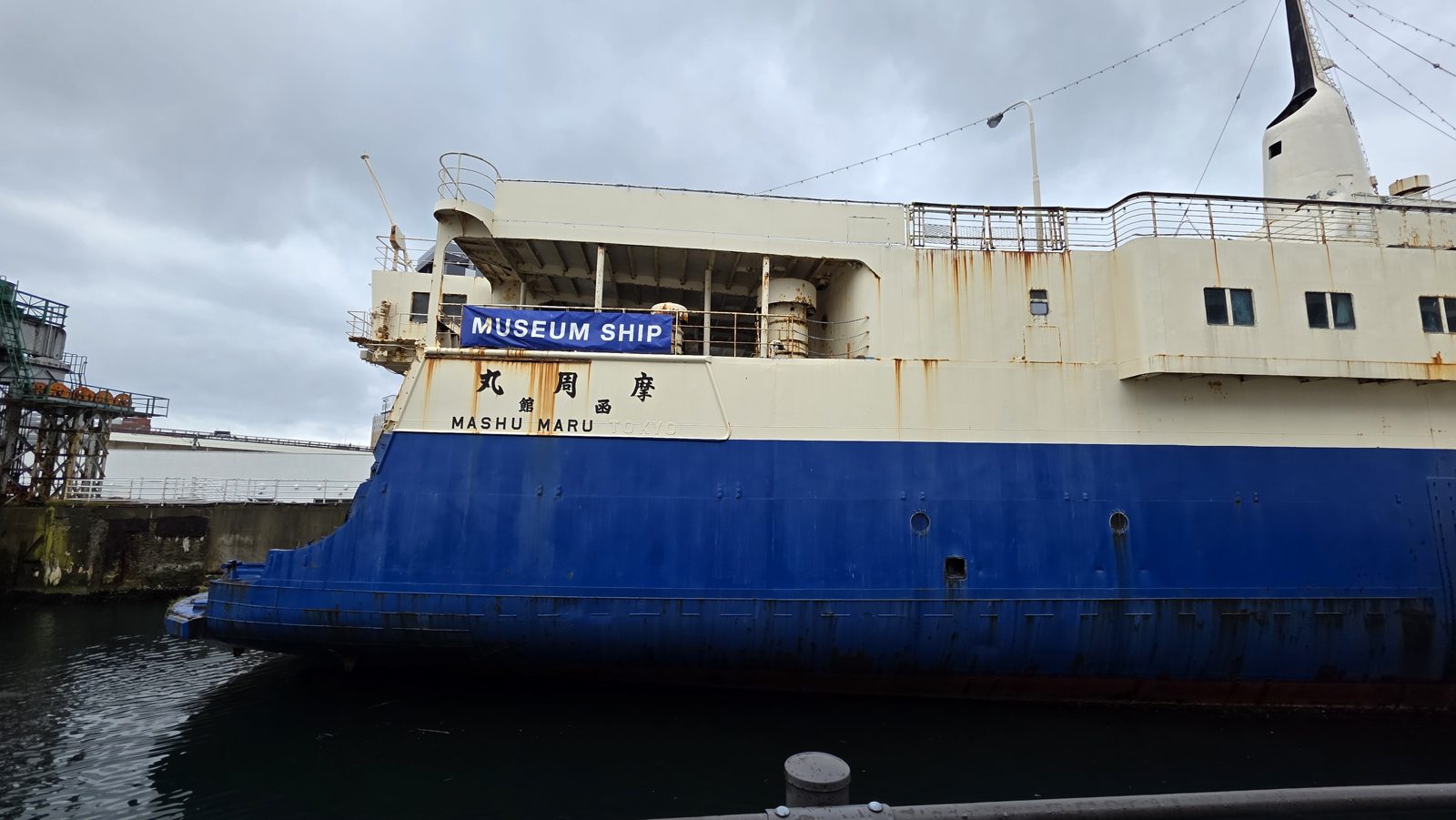
First we saw the museum ship moored by the water, its blue-and-white hull carrying a MUSEUM SHIP banner, its name painted as 摩周丸 and MASHU MARU. Rust marks on the hull said exactly what it is: not a model, but a ship that really sailed.

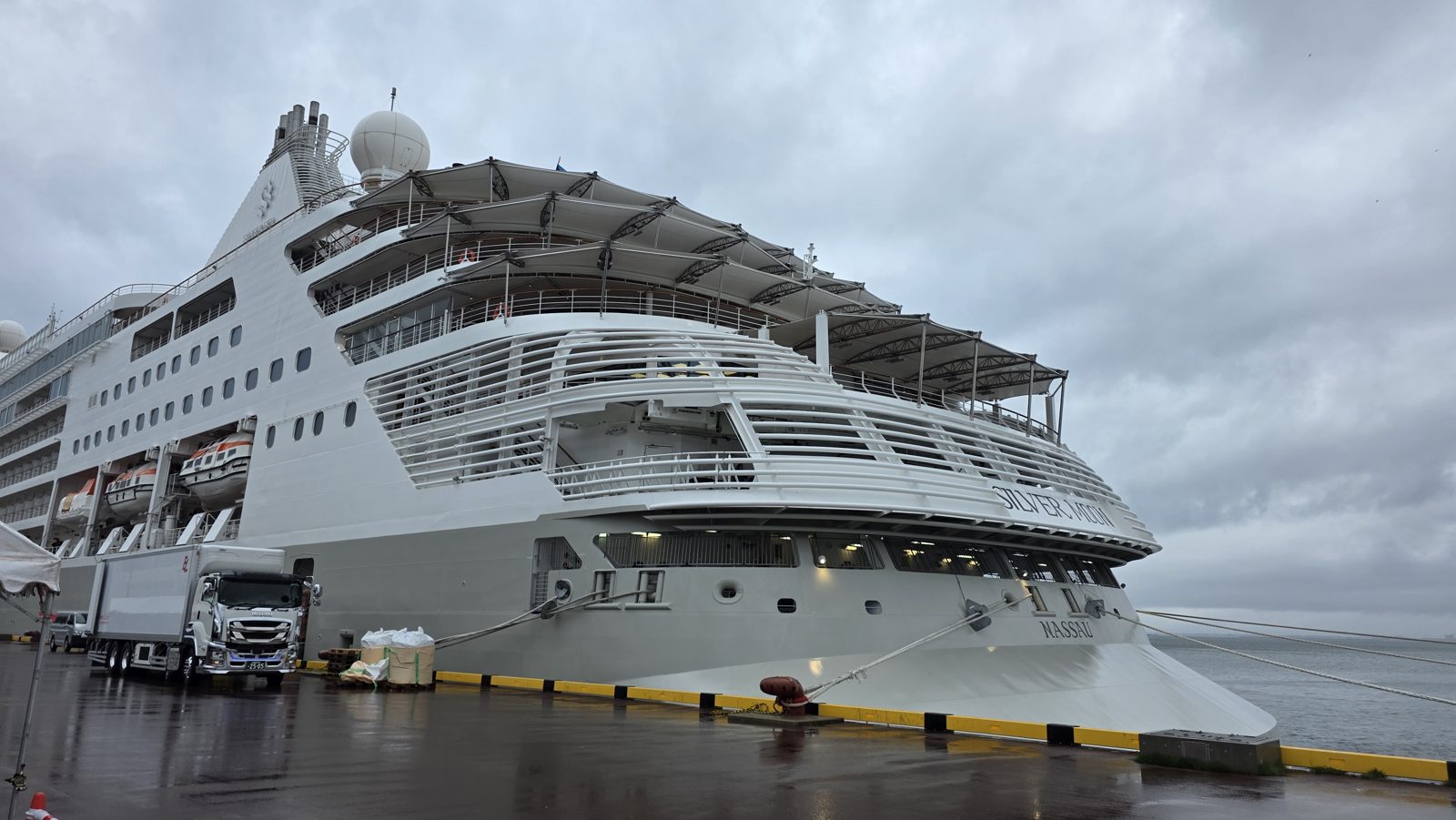
Turning around, we saw Silver Moon's stern at the pier, its white canopy decks tiered above, trucks on the wet asphalt, mooring lines holding the hull, NASSAU painted on the stern. A berthed ship has its own working rhythm: loading, line-handling, everyone busy.

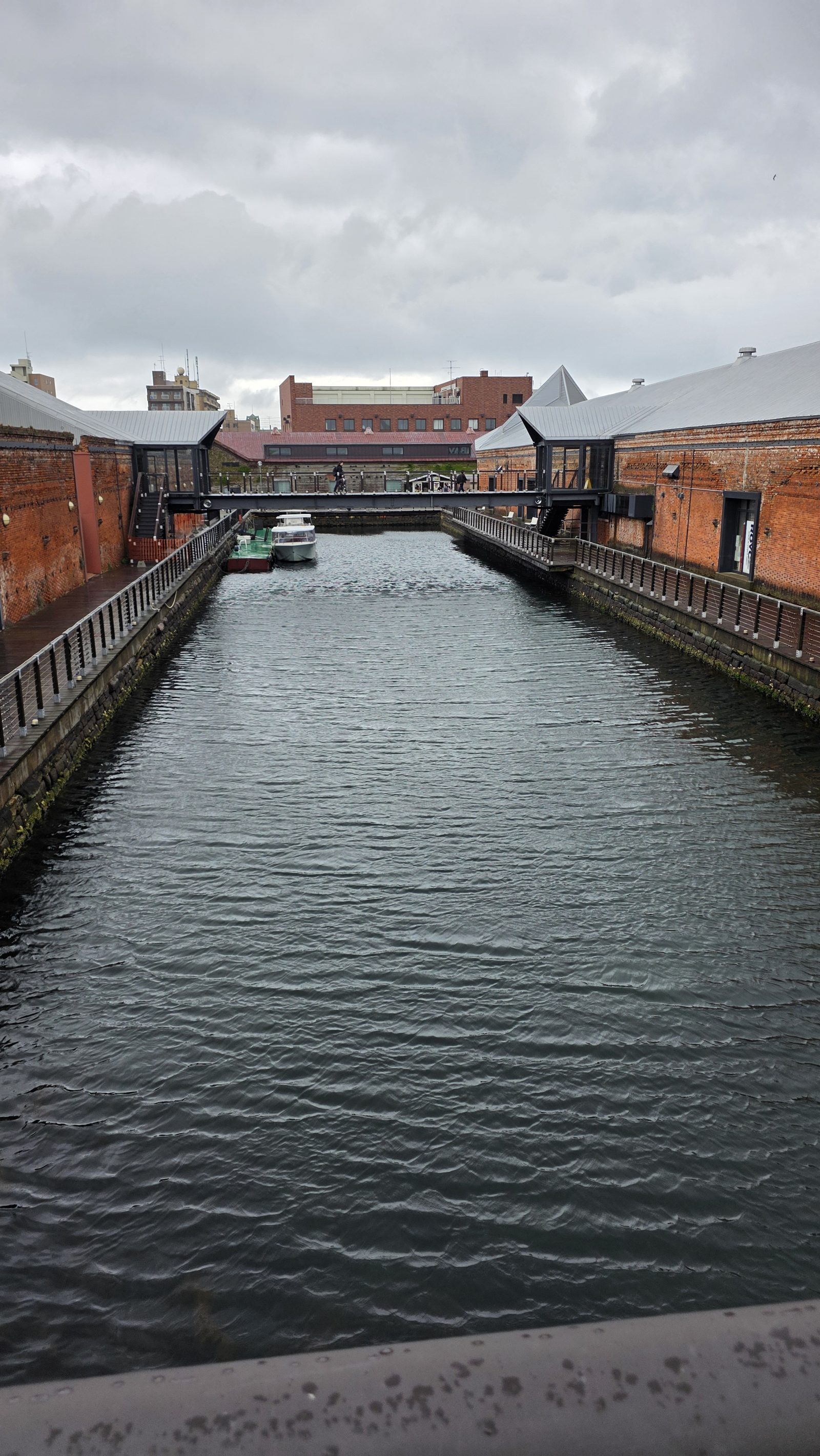
Walking through the red-brick warehouse district, we found a canal running between two rows of red-brick buildings, two small boats moored in the distance, a bridge above joining the two sides, a few people crossing it. The warehouse roofs were pale grey metal, the water dark — the whole scene quiet and orderly.

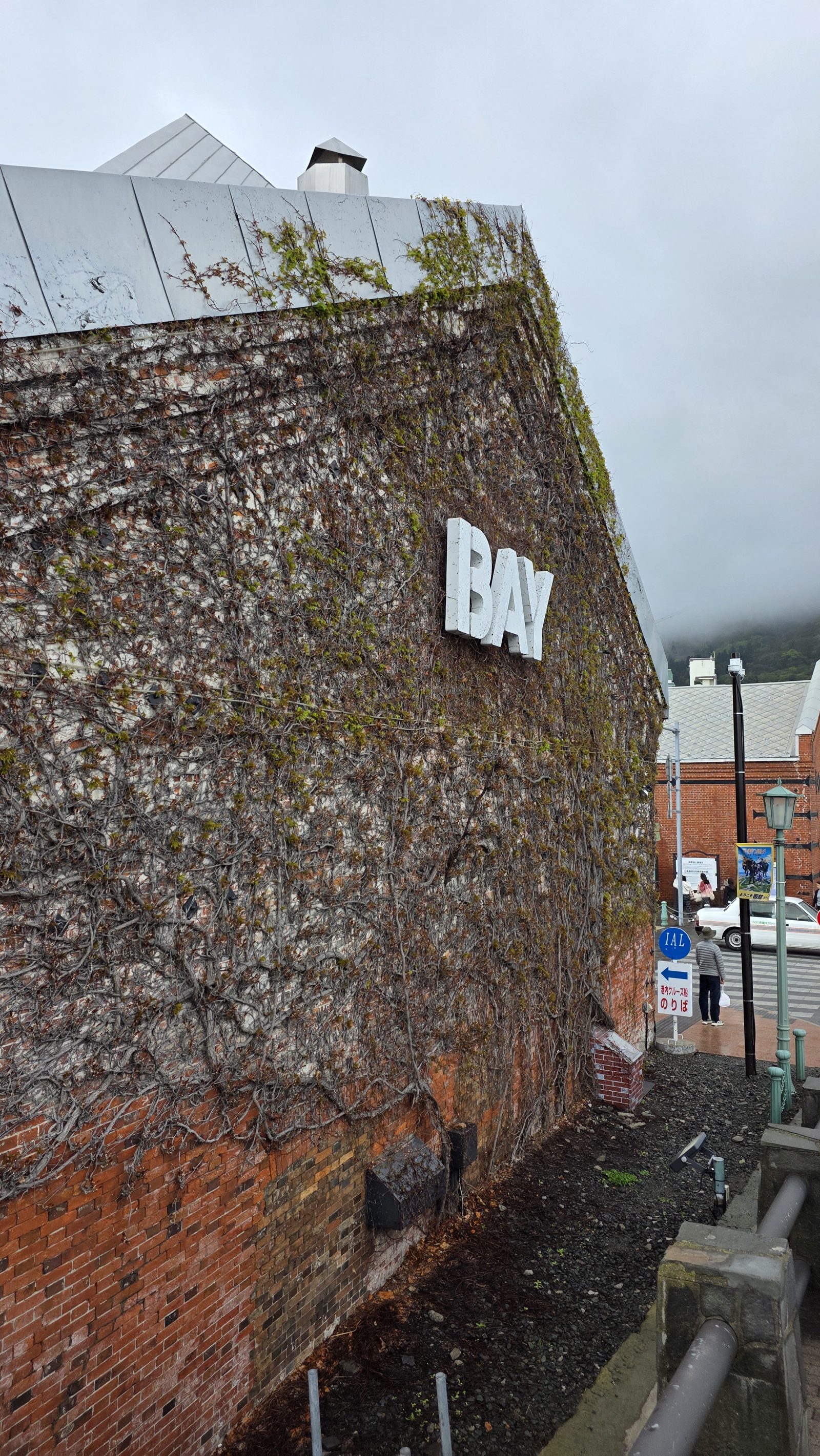
One warehouse wall was covered in vines, with the white letters BAY fixed to it, people walking on the street to the right, clouds still capping the distant hilltop. Red brick, vines, white letters — that wall is the harbour-side sign of Hakodate.

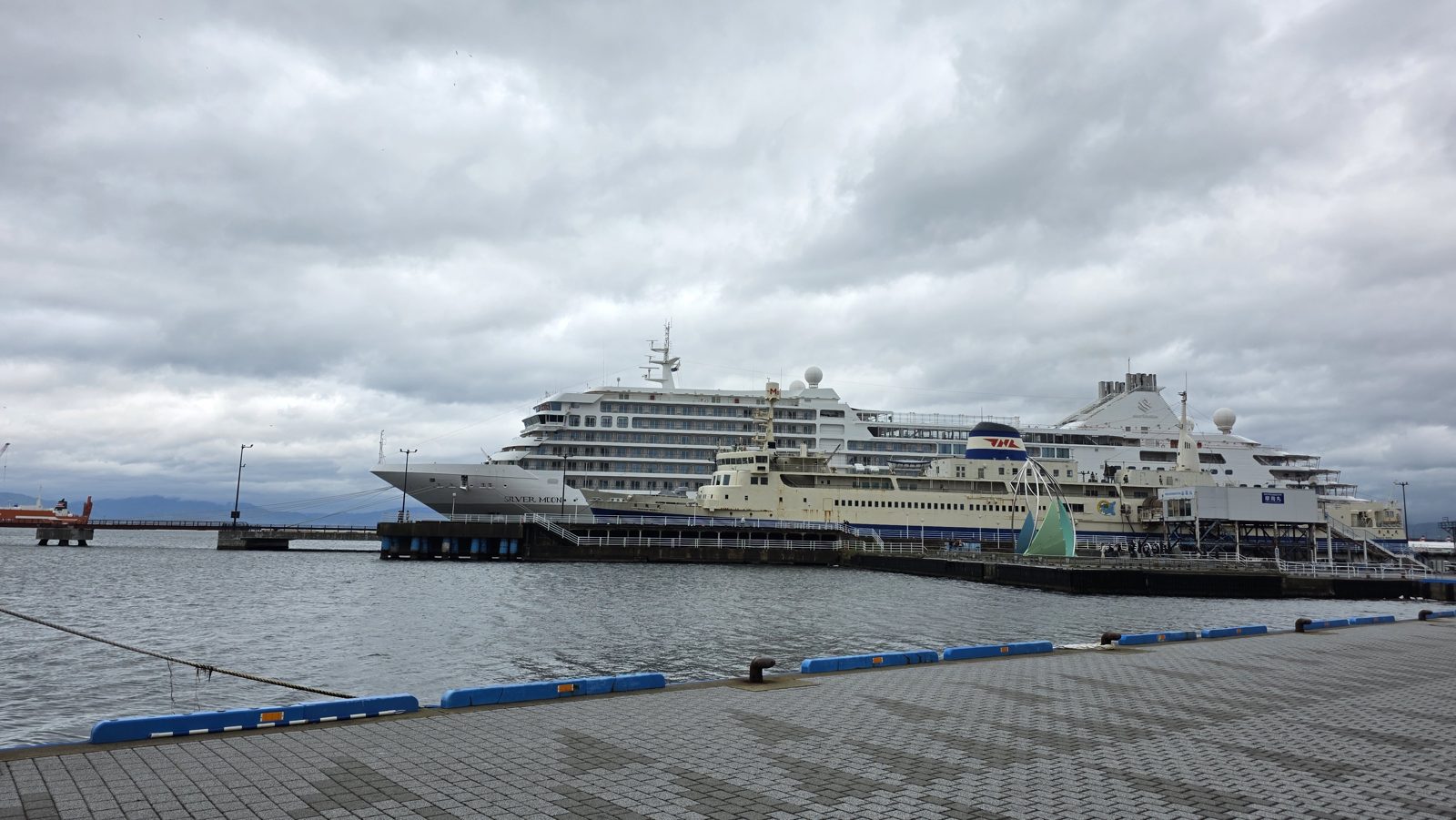
From the opposite shore we looked again: Mashu Maru in front and Silver Moon behind lay side by side, pier and jetty between them. One harbour, two ships: one a museum, one in service. That contrast is something only Hakodate shows.

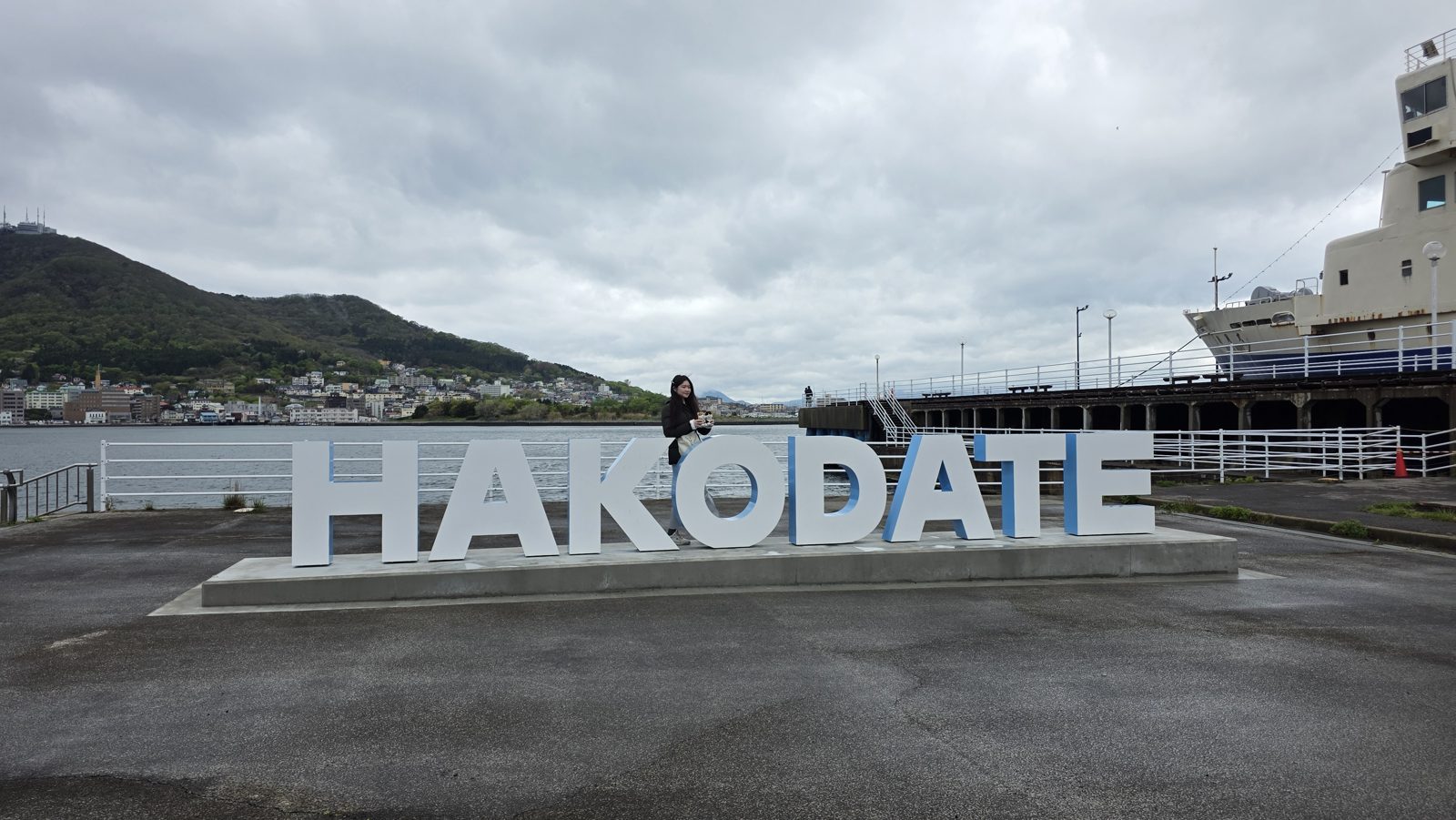
On an open space by the harbour we found the big white letters HAKODATE, with the bay, green hills, and Mashu Maru on the right behind them. The letters are large enough to read from anywhere — Hakodate's way of greeting its visitors.

Lunch back on board
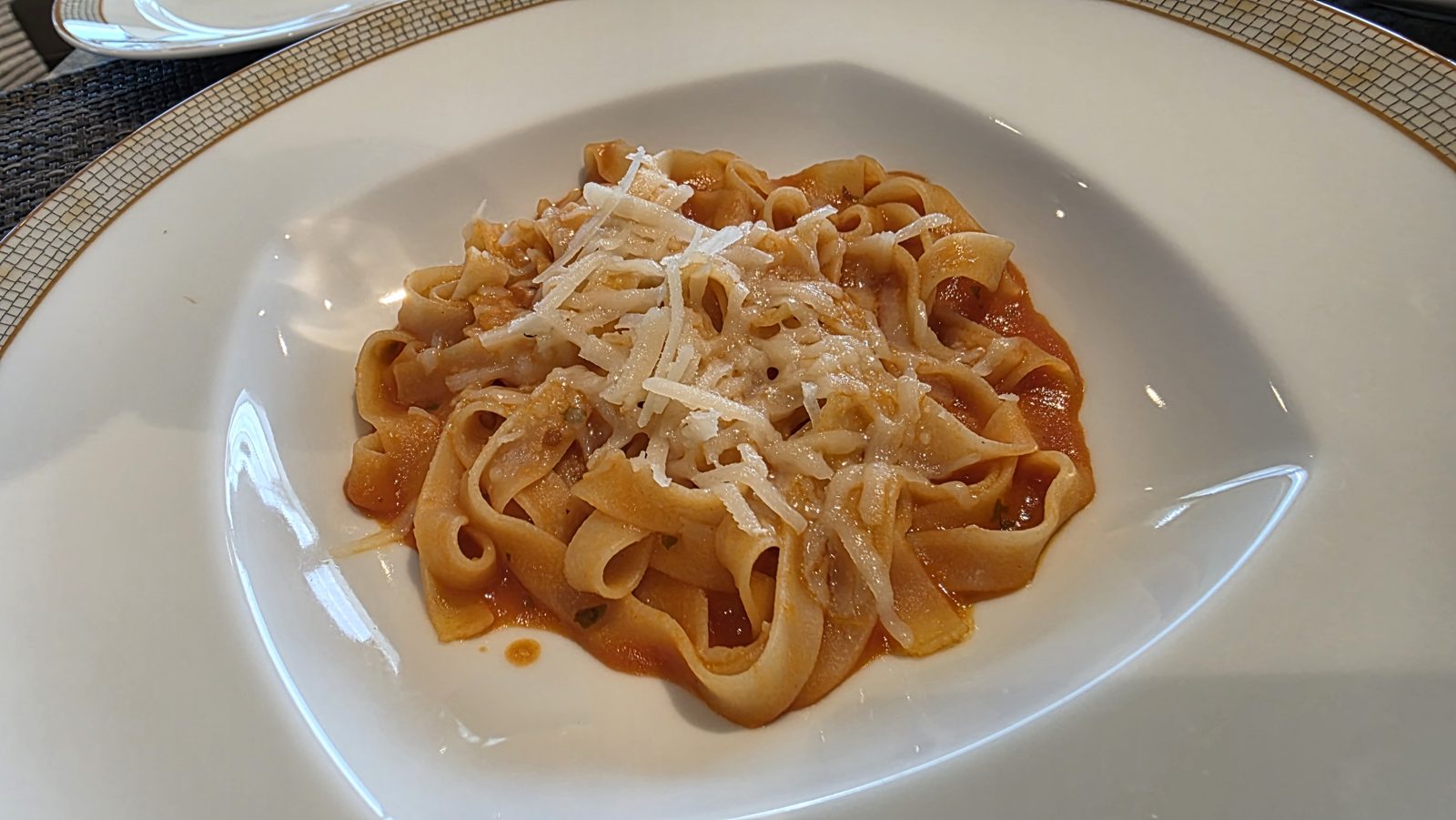
For lunch we had a plate of pasta, tomato sauce coating the noodles, topped with a generous shower of grated cheese. The portion was right, the sauce not heavy, and once the cheese melted, the whole plate came together.

Dinner: menu, scallops, lobster
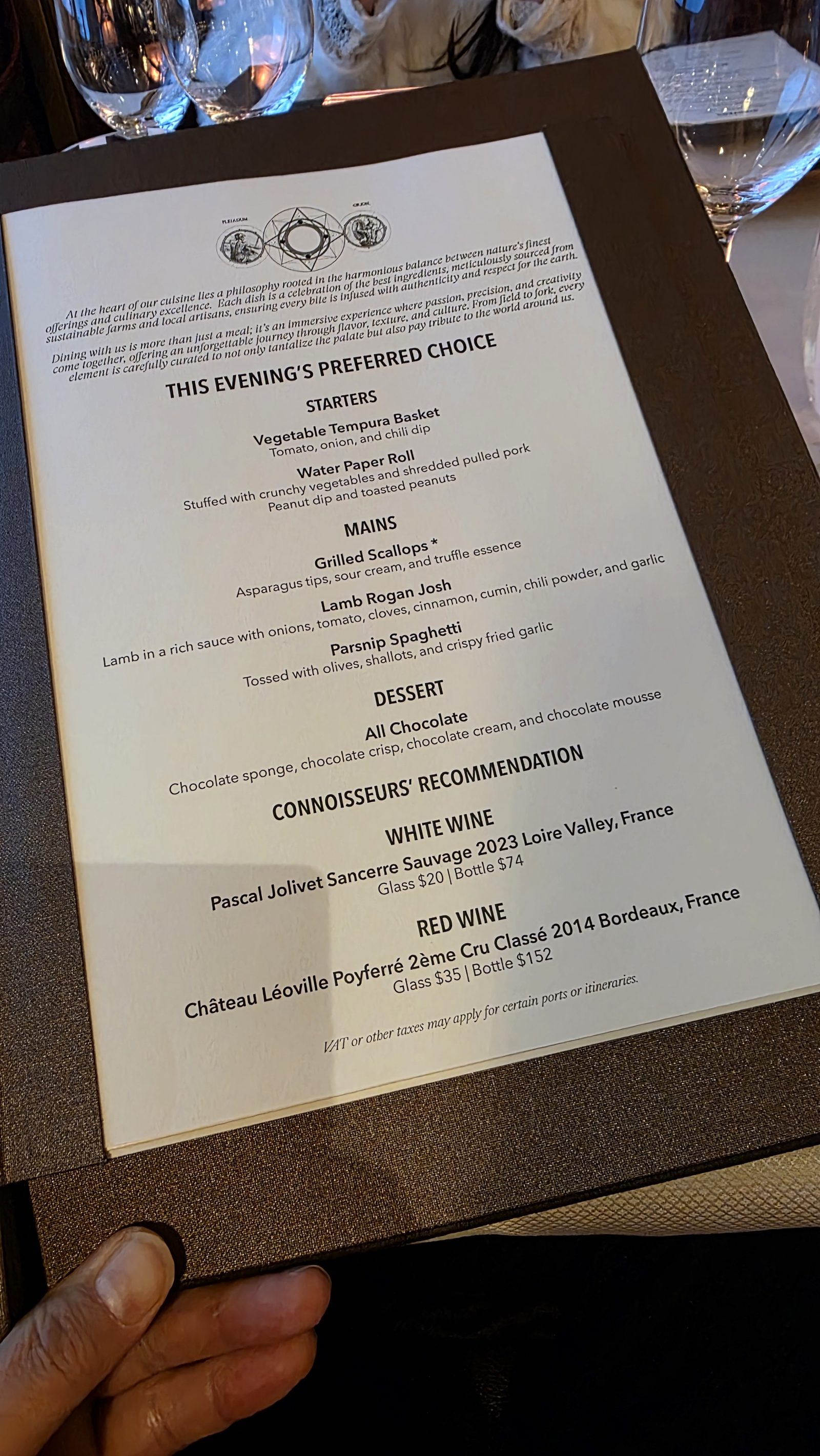
After six in the evening, we sat down to dinner and the menu came to the table first, headed THIS EVENING'S PREFERRED CHOICE: vegetable tempura basket and water paper roll for starters, grilled scallops, lamb rogan josh, and parsnip spaghetti for mains, All Chocolate for dessert, with white and red wine recommendations below. A menu written this completely is already half a meal before ordering.

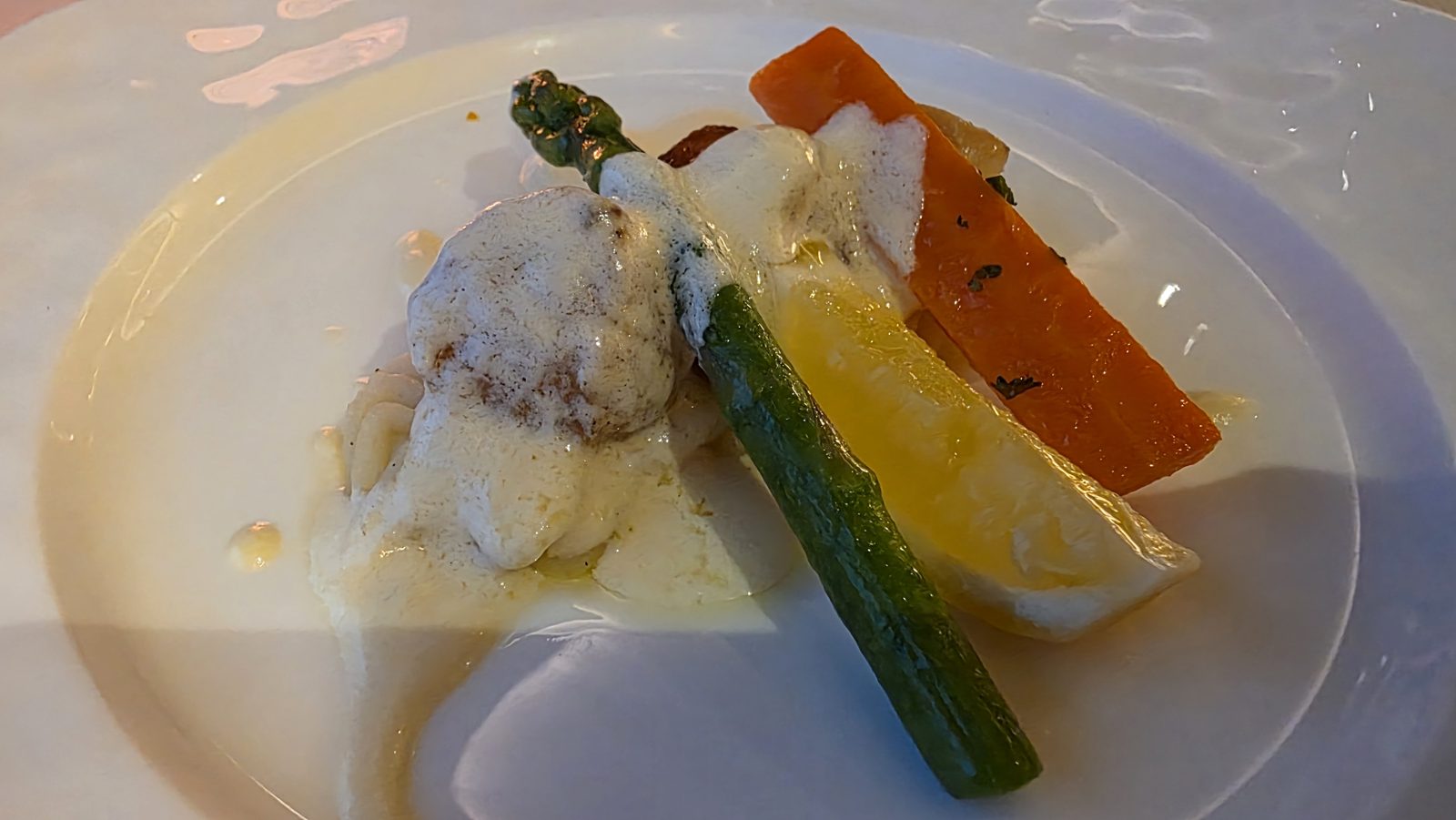
One main we ordered was grilled scallops, the scallop dressed with sour cream, beside it an asparagus spear, carrot, and a lemon wedge, the sauce spreading across the plate. The sour cream carried the scallop without overpowering it — just right.

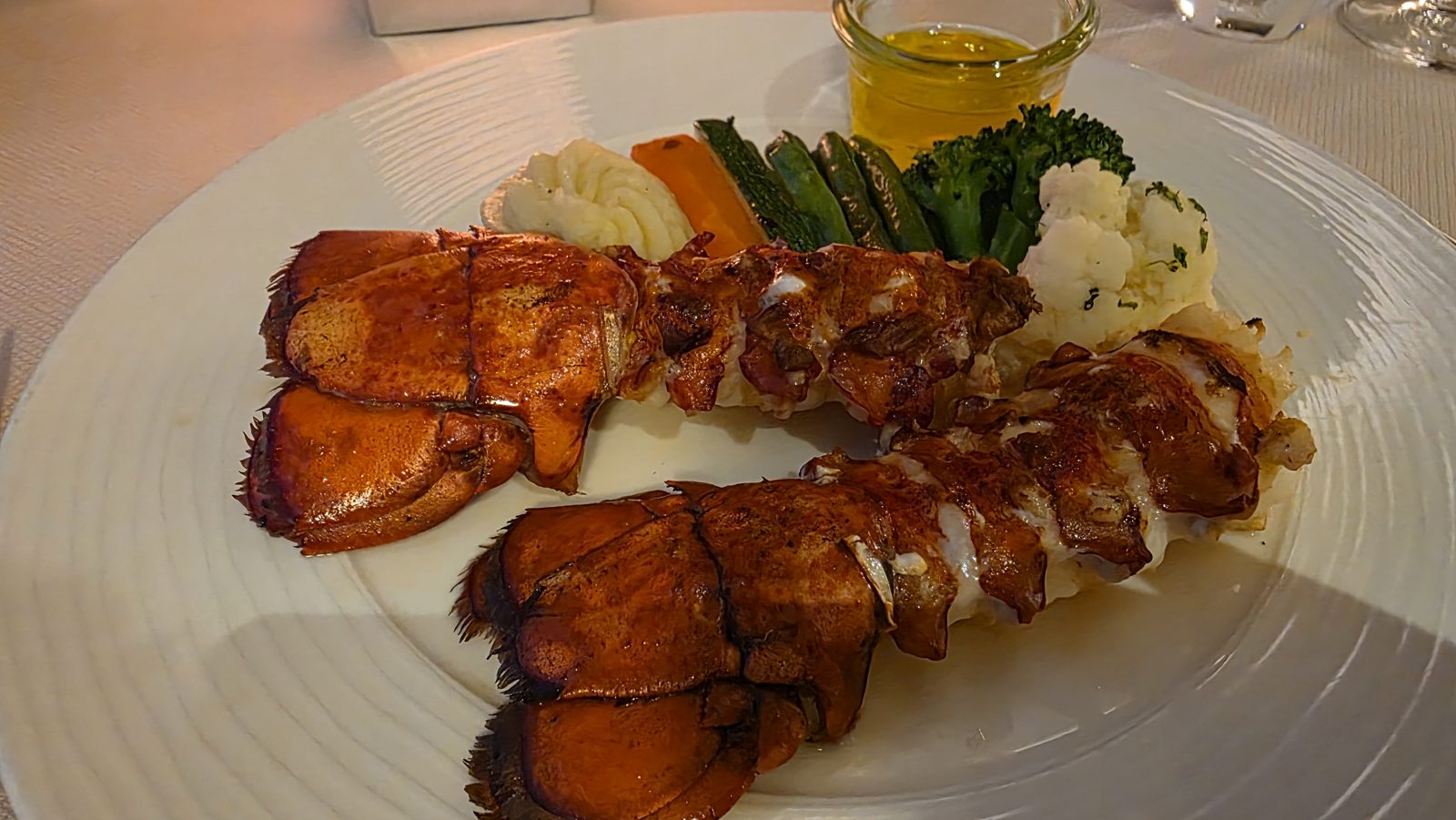
The other main we ordered was lobster tails: two roasted, glossy-red tails on the plate, with mashed potato, carrot, green beans, broccoli, and a small cup of melted butter. The tail meat was firm, a dip of butter was enough, and the sides were given generously.

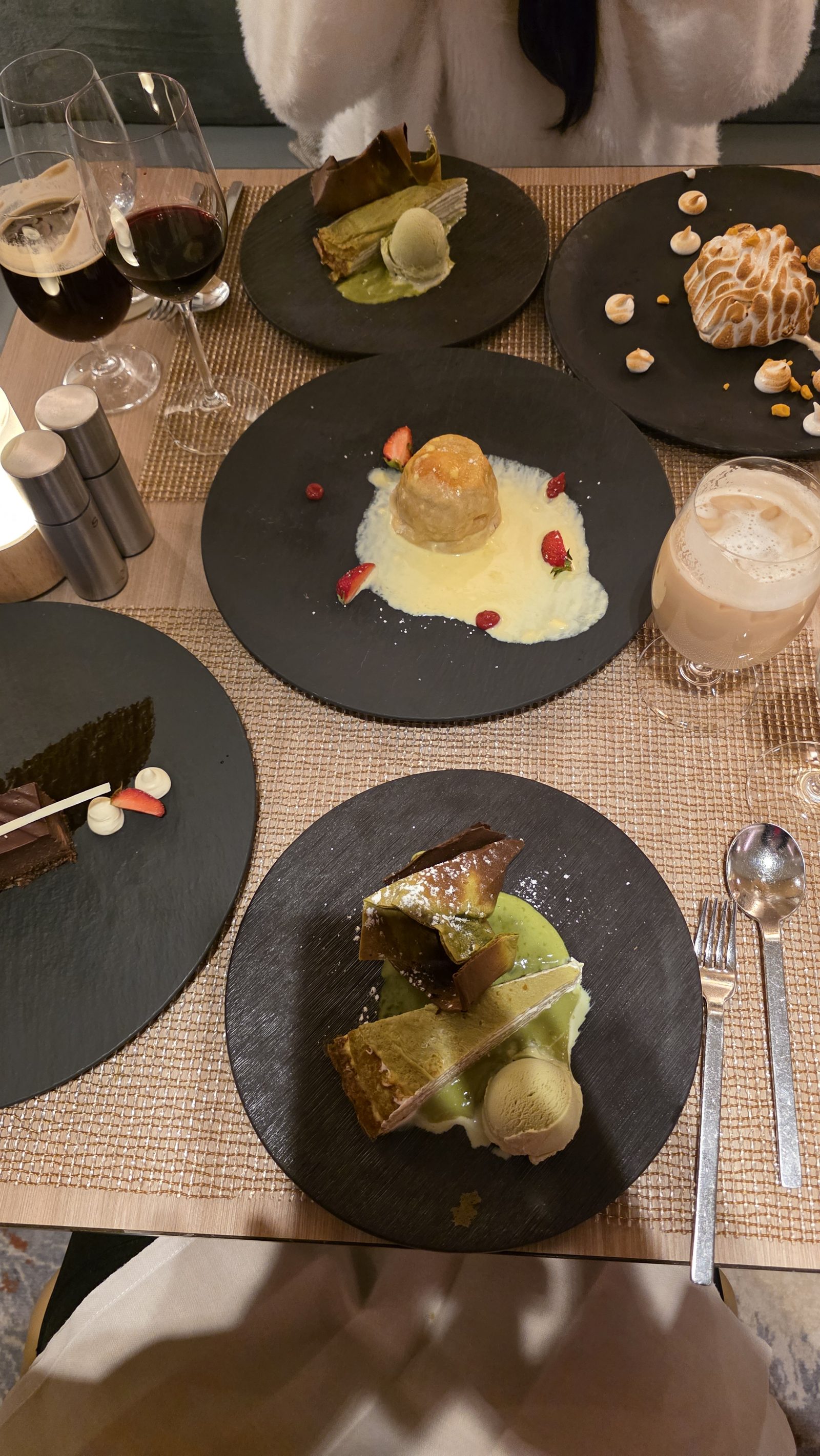
At eight in the evening, our table was covered with desserts: matcha mille-feuille with ice cream, a meringue-topped cake, pudding in custard sauce with strawberries, a chocolate cake, and beside them an iced coffee, a glass of red wine, and a dark drink. So many plates at once are not meant to be finished — they are meant to be tasted one by one. The Hakodate day stops at this table.